
Courses
Programmes across welding, coating and NDT. Preparatory classes and exams both run at the Madurai centre; accommodation is on the ground floor.
All 12Welding Inspection CoursesPainting Inspection CoursesNon - Destructive Testing (NDT)
Non - Destructive Testing (NDT)
Liquid / Dye Penetrant Testing (PT) – Level I & II
Liquid Penetrant Testing (PT) is one of the most widely applied non-destructive inspection methods for detecting surface-breaking discontinuities (cracks, laps, seams, lack of fusion, and porosity) in non-porous metals, plastics, and ceramics. This course aligns with ASNT SNT-TC-1A (2024) recommendations. Candidates are trained to standardize equipment, select appropriate penetrant systems (Type I Fluorescent / Type II Visible Dye; Methods A, B, C, D), prepare surfaces, establish dwell times, and interpret indications against industry acceptance standards. Qualification Levels Offered • Level I: Qualified to perform specific standardizations, apply PT processes (clean, dwell, wash, develop), perform specific evaluations according to written instructions, and record results under qualified supervision. • Level II: Qualified to set up/standardize equipment, select testing techniques, interpret and evaluate results per applicable codes/standards, organize reports, and provide on-the-job guidance to trainees and Level I personnel.Non - Destructive Testing (NDT)
Magnetic Particle Testing (MT) – Level I & II
Magnetic Particle Testing (MT) is a highly sensitive non-destructive test method designed to detect surface and slightly subsurface discontinuities in ferromagnetic components. Following ASNT SNT-TC-1A (2024) guidelines, this program provides extensive theoretical instruction and workshop practice using electromagnetic yokes, bench units, prods, and coils. Candidates learn how magnetic flux leakage lines attract fine ferromagnetic particles to form distinct flaw indications, allowing rapid evaluation of welds, castings, forgings, and machined parts. Qualification Levels Offered • Level I: Standardizes equipment, mixes and applies dry/wet magnetic media, carries out specific tests, and records observations per written instructions. • Level II: Selects magnetizing techniques, determines field strength, interprets and evaluates linear/rounded indications against code acceptance standards, generates reports, and guides Level I inspectors.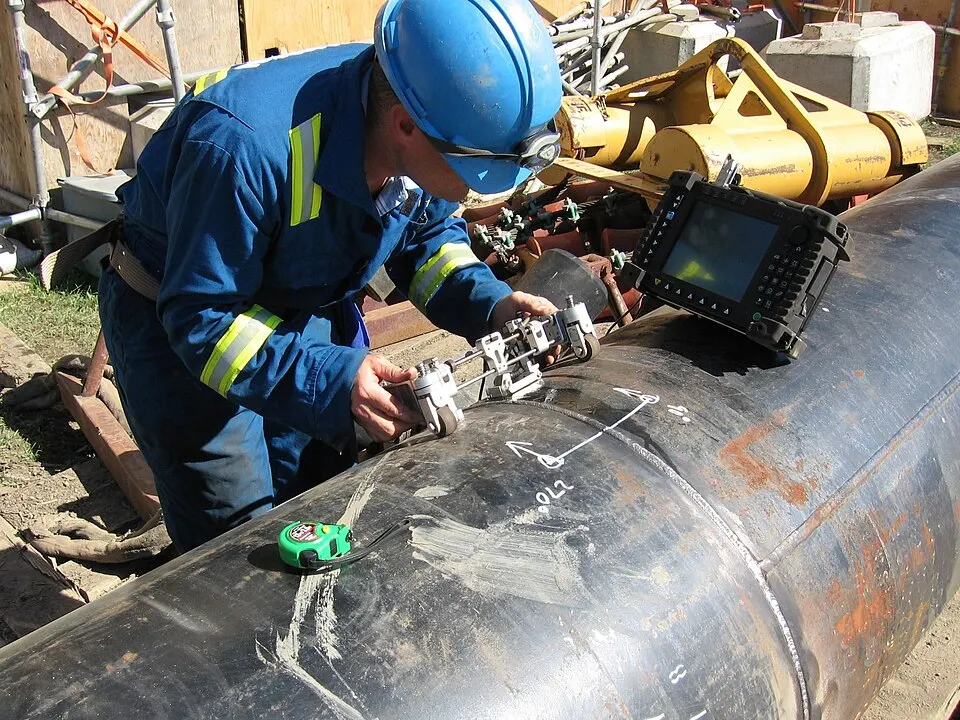
Non - Destructive Testing (NDT)
Ultrasonic Testing (UT) – Level I & II
Ultrasonic Testing (UT) uses high-frequency sound waves to conduct volumetric examinations of metallic and composite materials. UT is capable of locating, measuring, and sizing deep-seated internal defects such as laminations, slag inclusions, incomplete penetration, and internal fatigue cracks. This comprehensive program covers wave mechanics, probe selection, A-scan presentation, calibration using standard reference blocks (IIW / V1, V2, ASME step wedges), Distance Amplitude Correction (DAC) curve generation, and precision flaw sizing per SNT-TC-1A (2024). Qualification Levels Offered • Level I: Standardizes instruments, verifies screen linearity, conducts straight-beam and basic thickness measurements, and documents test data per written instructions. • Level II: Standardizes angle-beam shears, constructs DAC/TCG curves, evaluates flaws using DGS/AVG or dB drop sizing, evaluates results against acceptance criteria, and generates formal reports.Non - Destructive Testing (NDT)
Radiographic Testing (RT) – Level I & II
Radiographic Testing (RT) is a cornerstone volumetric examination method utilizing ionizing radiation (X-rays and Gamma rays) to penetrate components and capture internal structures onto radiographic film or digital media. This course covers the nature and properties of radiation, X-ray generation, radioisotope handling (Iridium-192, Cobalt-60, Selenium-75), exposure geometry, darkroom processing, and radiation safety in accordance with SNT-TC-1A (2024). Candidates gain a complete understanding of radiographic techniques required for evaluating welds, castings, and structural assemblies. Qualification Levels Offered • Level I: Sets up equipment, handles film/screens, performs source alignment, performs exposures, processes films in darkrooms, and records inspection data under qualified supervision. • Level II: Selects radiographic techniques, calculates exposure parameters, verifies image quality (density and IQI sensitivity), evaluates radiographs against codes, and manages reporting.Non - Destructive Testing (NDT)
Visual Testing (VT) – Level I & II
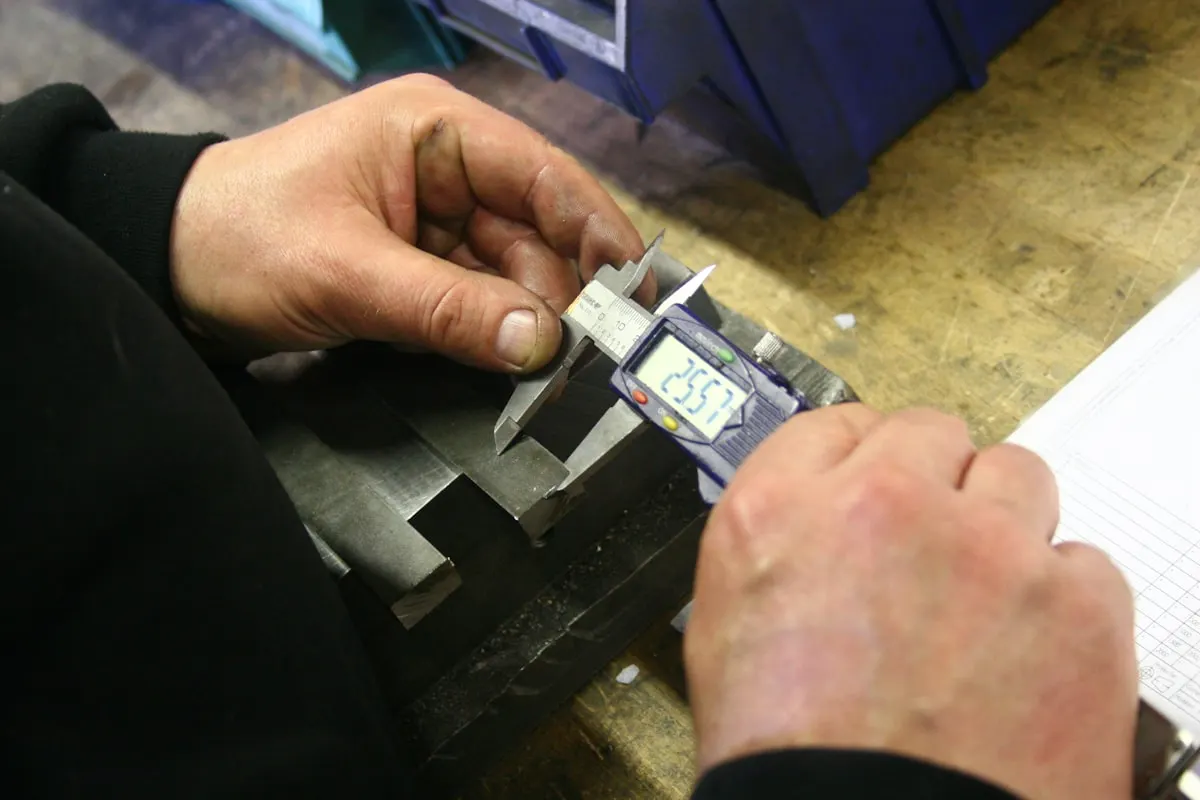
Visual Testing (VT) is the most fundamental and extensively used non-destructive examination method. It serves as the primary line of defense in quality surveillance across all stages of fabrication, manufacturing, and in-service plant maintenance. Following ASNT SNT-TC-1A (2024) requirements, this course equips inspectors with the practical knowledge to identify visible surface anomalies, dimensional irregularities, misalignments, corrosion damage, and mechanical defects using direct and remote visual inspection tools. Qualification Levels Offered • Level I: Performs direct visual inspections and dimensional verifications according to specific written procedures, using standard optical and mechanical gauges under qualified supervision. • Level II: Organizes inspection sequences, selects visual techniques, operates optical/remote instruments, interprets and sentences visual indications per construction codes, and prepares technical reports.Non - Destructive Testing (NDT)
Radiographic Film Interpretation (RTFI) – Level II Limited Certification
Radiographic Film Interpretation (RTFI) is an ASNT SNT-TC-1A Level II Limited Certification designed specifically for engineers, inspectors, and client representatives who evaluate processed radiographic films without needing to set up radiation sources or handle exposure equipment. This specialized course trains professionals to review films, verify image quality (density, sensitivity, IQI placement), identify internal welding and casting flaws, distinguish between real defects and darkroom artifacts, and make definitive acceptance/rejection determinations according to ASME, API, and AWS codes.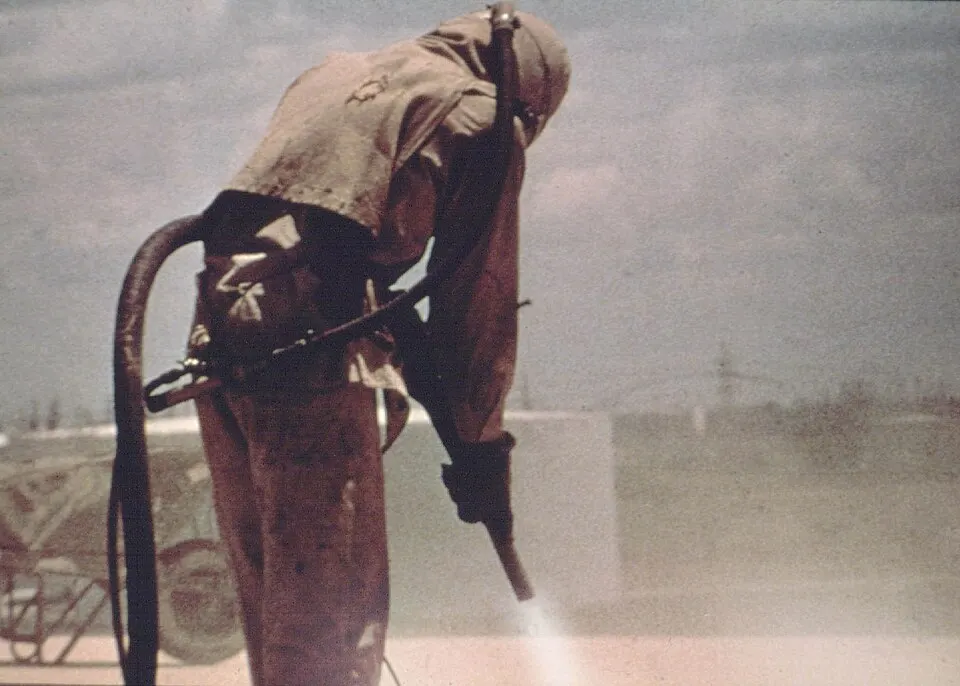
Painting Inspection Courses
BGAS-CSWIP Painting Inspector Grade 2
The BGAS-CSWIP Painting Inspector Grade 2 certification is a globally recognized credential designed for professionals seeking competence in the inspection of protective coating systems applied to pipelines, process plants, and industrial steel structures. This course equips candidates to support project engineers and senior coating inspectors by verifying that surface cleanliness, environmental conditions, and paint application comply with contractual specifications such as National Grid standards T/SP/PA/9 and T/SP/PA/10, and international standards like BS 7079 / ISO 8501. Key Responsibilities of a Grade 2 Inspector • Acting in support of the Engineer and/or Painting Inspector Grade 1 on all technical matters relating to painting inspection. • Ensuring compliance with paint systems specifications and material handling standards. • Enforcing safe environmental handling and disposal of painting and coating waste to prevent site contamination. • Performing comprehensive visual and instrumental inspections and compiling quality records.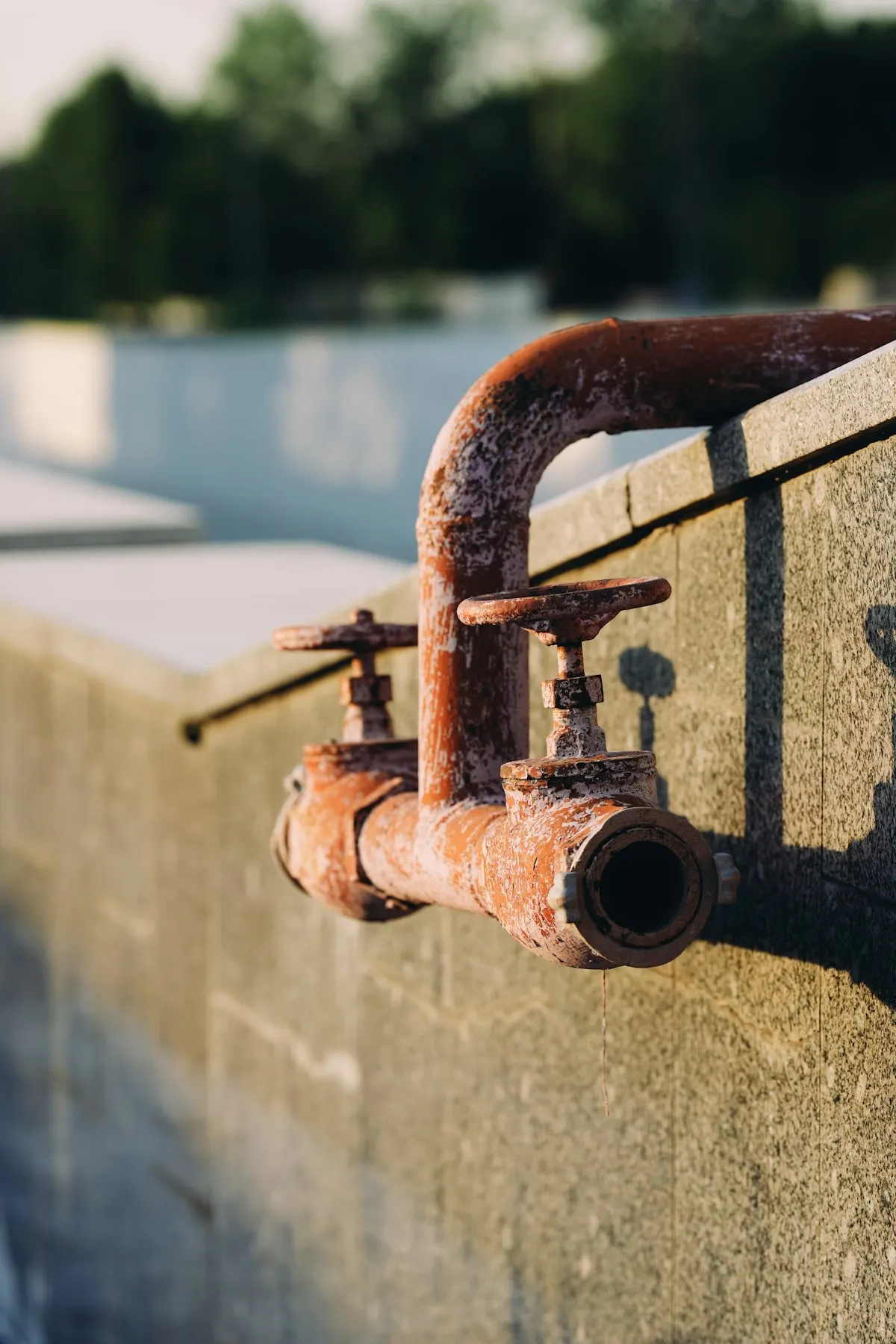
Painting Inspection Courses
BGAS-CSWIP Painting Inspector Grade 1 (Offshore)
The BGAS-CSWIP Painting Inspector Grade 1 qualification is the advanced level in the BGAS coating inspection scheme, placing specialized emphasis on harsh marine and offshore environments. This certification qualifies inspectors to manage complex coating projects, oversee splash-zone protection, evaluate specialized offshore paint systems, and coordinate teams of Grade 2 inspectors on offshore platforms, FPSOs, subsea pipeline shore crossings, and marine facilities. Key Responsibilities of a Grade 1 Inspector • Acting in support of the Project Engineer on all technical matters relating to paint and painting inspection, with specific expertise in offshore structures and splash zones. • Coordinating and supervising the work of BGAS Painting Inspectors Grade 2, ensuring access to and adherence to applicable codes, client specifications, and safe procedures. • Overseeing full compliance with environmental legislation, non-destructive coating assessments, and hazardous waste containment offshore. • Maintaining comprehensive QA/QC inspection dossiers and signing off final compliance documentation.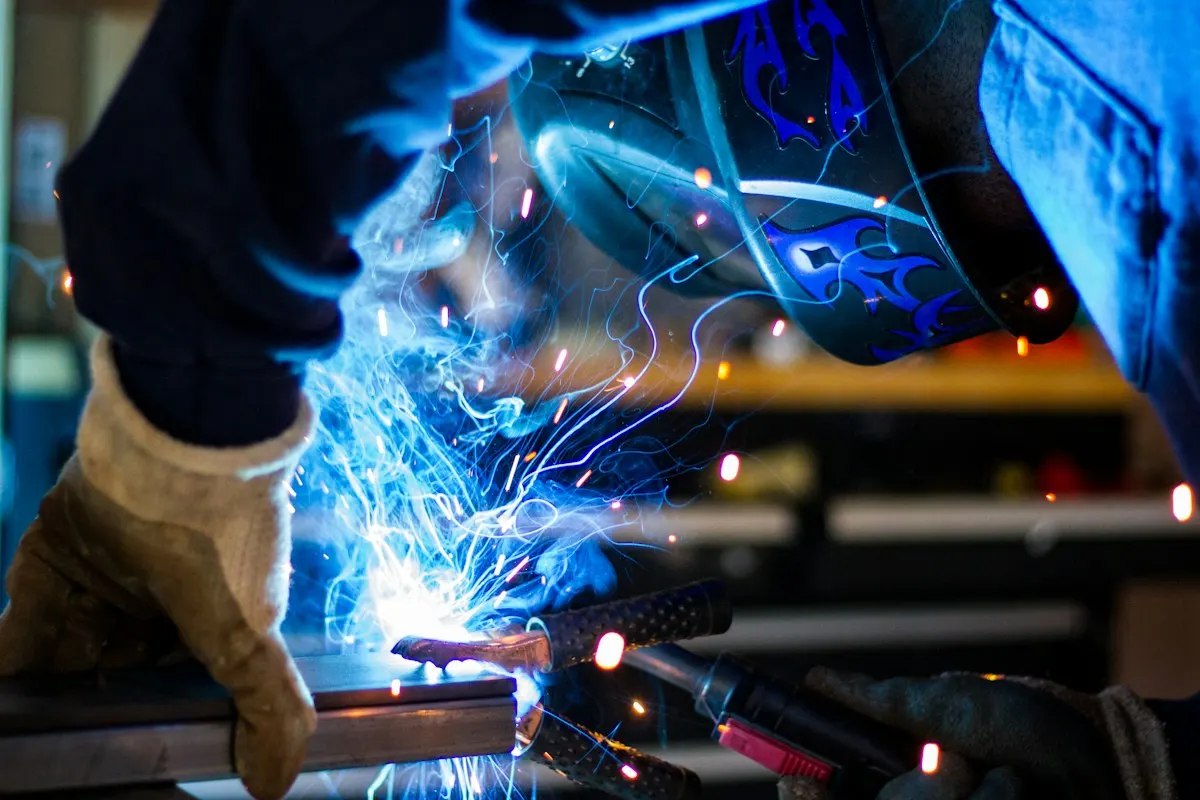
Welding Inspection Courses
CSWIP 3.0 Visual Welding Inspector
The CSWIP 3.0 Visual Welding Inspector course provides entry-level welding inspectors, quality controllers, and fabrication technicians with the essential skills to perform visual examinations and dimensional checks on fusion-welded joints. Aligned with BS EN ISO 17637 and CSWIP-WI-6-92 requirements, this program equips candidates to carry out post-weld inspection independently and support pre-weld and in-process surveillance under the supervision of qualified Senior/Welding Inspectors.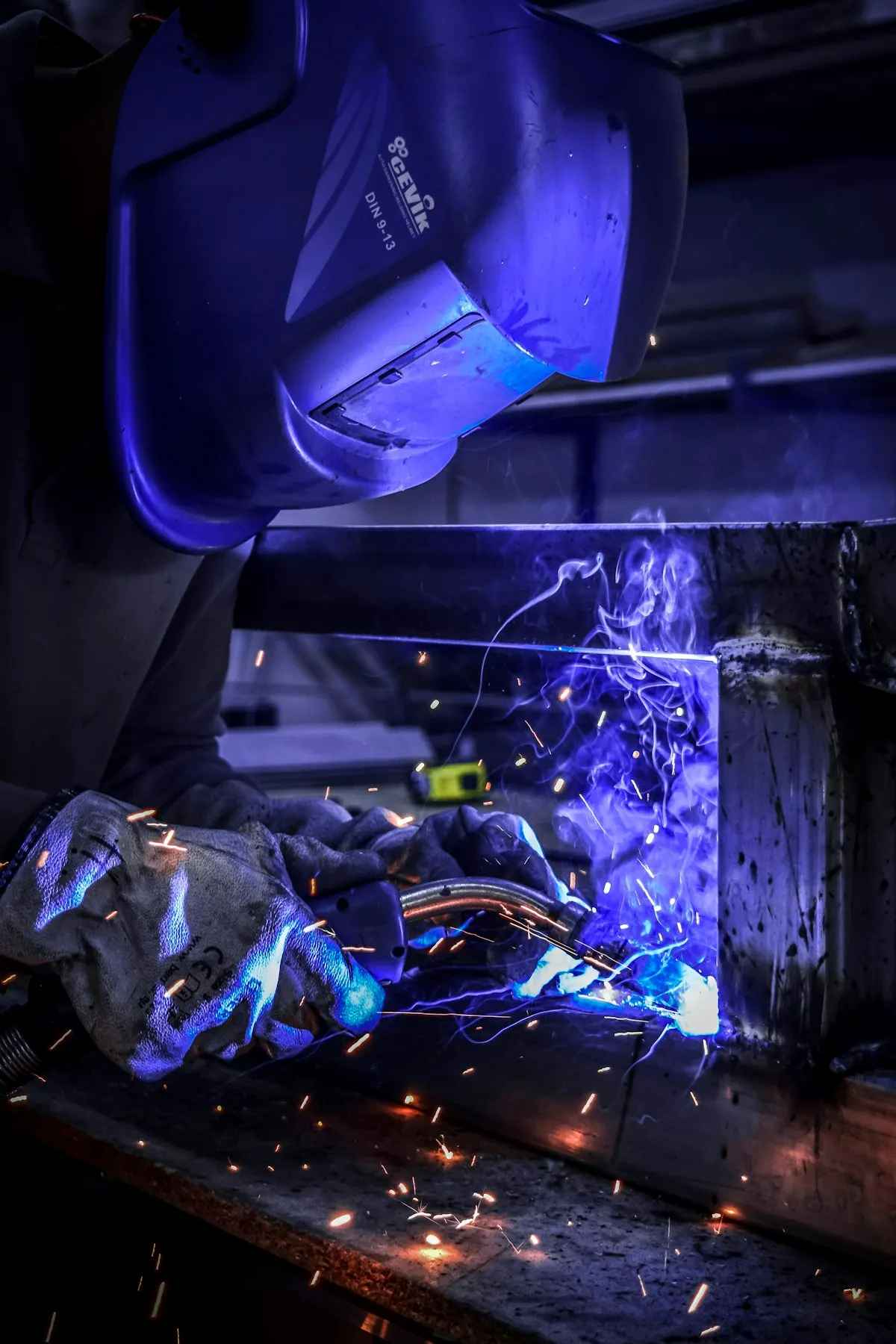
Welding Inspection Courses
CSWIP 3.1 Welding Inspector (Junior / Core Level)
The CSWIP 3.1 Welding Inspector qualification is the industry-standard credential demanded by oil & gas, offshore, and heavy structural engineering contractors worldwide. This comprehensive course trains professionals to take charge of end-to-end welding quality control—from verifying procedures (WPS/PQR) and welder qualifications to witnessing destructive tests, reviewing post-weld heat treatment (PWHT), and producing conclusive inspection reports.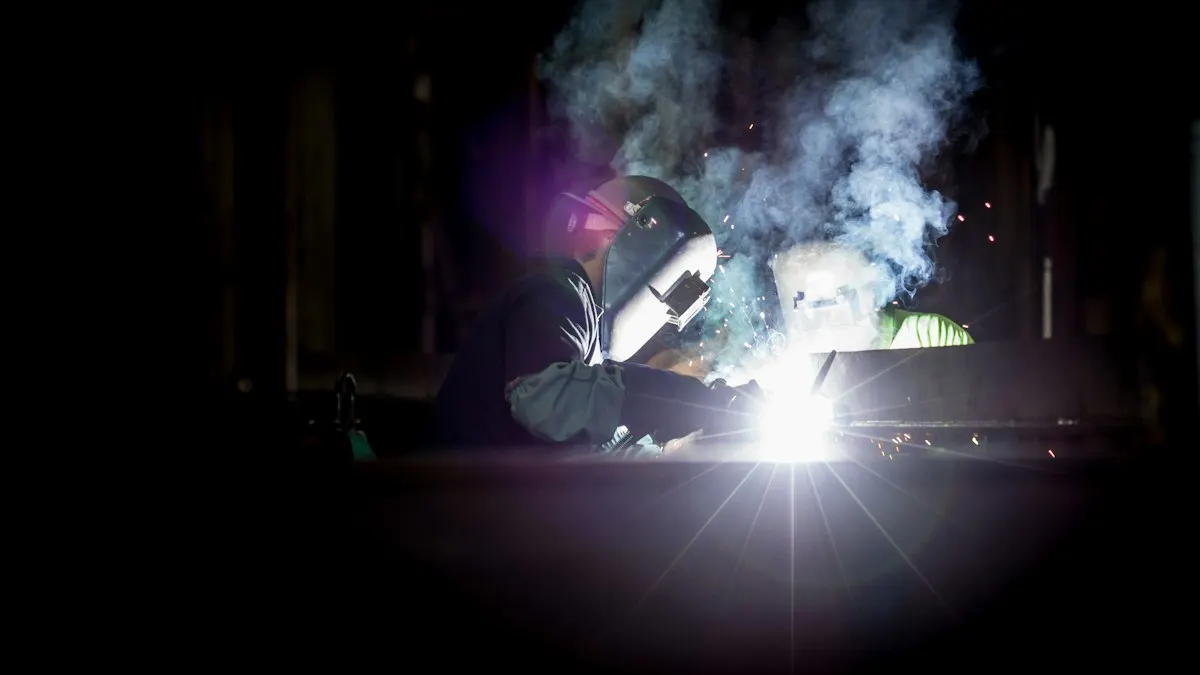
Welding Inspection Courses
CSWIP 3.2.1 Senior Welding Inspector (Level 3)
The CSWIP 3.2 Senior Welding Inspector certification is designed for experienced welding inspectors ready to advance to leadership, supervisory, and managerial roles in welding quality assurance. A Senior Welding Inspector holds ultimate responsibility for interpreting complex engineering drawings, certifying compliance with contractual specifications, overseeing teams of inspection personnel, and evaluating cross-discipline NDT records and radiographic film evaluations. Certification Options 1. CSWIP 3.2.1: Senior Welding Inspector without Radiographic Interpretation. 2. CSWIP 3.2.2: Senior Welding Inspector with Radiographic Interpretation (Includes film review and evaluation).Welding Inspection Courses